


Is It Shell or Amber?
Precious Jewelry Material: Amber is widely used in jewelry-making for its natural beauty.
Color Range: The color of amber varies from rich honey to deep butterscotch hues, also known as “yolk” amber.
Unique Properties: Amber is notable for its fascinating characteristics, including glowing under UV light and floating in salt water.
Authenticity Indicator: These properties are key to distinguishing real amber from imitations like dyed shell.

Which is Worth More: Shell or Amber?
Rarity and Historical Value: Amber’s formation from ancient fossilized tree resin, often containing prehistoric inclusions, makes it rare and historically significant.
Unique Optical Properties: Amber’s ability to glow under UV light and float in salt water sets it apart from shell materials.
Cultural Significance: Revered in various cultures for its mystical and healing properties, amber holds a special place in history and art.
Higher Market Value: Due to its rarity and unique qualities, amber jewelry typically commands a higher price than shell-based jewelry.
Limited Availability: The limited availability of authentic amber increases its desirability and value in the jewelry market.
Contrast with Shell Materials: While shells like Mother of Pearl are beautiful, they are more abundant and lack the unique properties and historical depth of amber, leading to a lower market value.

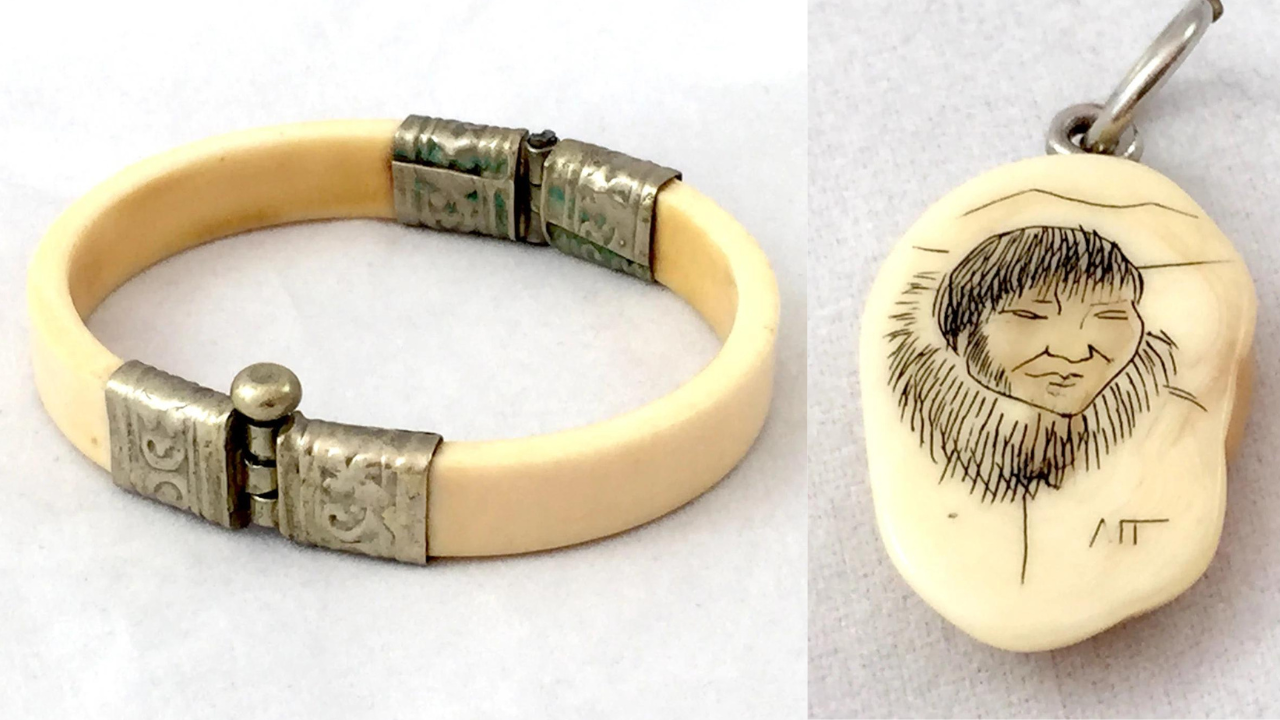
Is it Shell or Ivory?
Shell and Ivory in Jewelry: Both shell and ivory are popular materials in jewelry making, each with unique characteristics.
Shell Identification: Shell can be identified by its growth lines, distinct to each piece.
Ivory Features: Ivory, unlike shell, is characterized by Schreiger lines unique to each ivory piece.
Restrictions on Ivory Sales: Selling ivory, even in jewelry form, is restricted on various platforms, such as eBay, due to wildlife conservation efforts.

Shell or Corn Jewelry?
Unique Use in Jewelry: Corn is an unconventional material for jewelry but can be transformed into beautiful pieces.
Organic Origin: Corn kernels, as organic materials, offer a unique medium for jewelry creation.
Edible but Not for Consumption: Unlike amber and ivory, corn is edible, yet corn jewelry should not be eaten.

Identifying Mother of Pearl (MOP)
Origin and Composition: Mother of Pearl, or nacre, originates from the inner layer of certain shells.
Iridescent Sheen: It features an iridescent sheen that varies from soft, milky white to a vibrant rainbow of colors.
Color Enhancement: Some Mother of Pearl pieces are dyed to enhance their colors.
Natural Iridescence: Others are left in their natural state to highlight their unique iridescence.
Versatility in Jewelry: Whether dyed or natural, Mother of Pearl is used to create stunning jewelry pieces.



Leave a Reply