10 Jewelry Items You Can’t Sell on eBay (+10 to Check Before You List)
You’re digging through a jewelry jar at an estate sale when you spot an old carved bangle. It looks valuable.
Is it bone? Ivory? Plastic?
A few minutes later you find a tortoiseshell-looking hair comb, an unusual feather pendant and a bracelet marked with a designer name.
These are exactly the kinds of pieces that can make vintage jewelry hunting exciting. But they’re also the kinds of items that can create problems for an eBay seller if you don’t know exactly what you have.
Some jewelry is prohibited on eBay. Other pieces may be perfectly fine to sell if you identify and describe them correctly.
That distinction matters.
My biggest rule for selling unusual jewelry online is simple:
Don’t turn a guess into a fact.
If you don’t know the material, species, gemstone, maker or authenticity, research it before you list it.
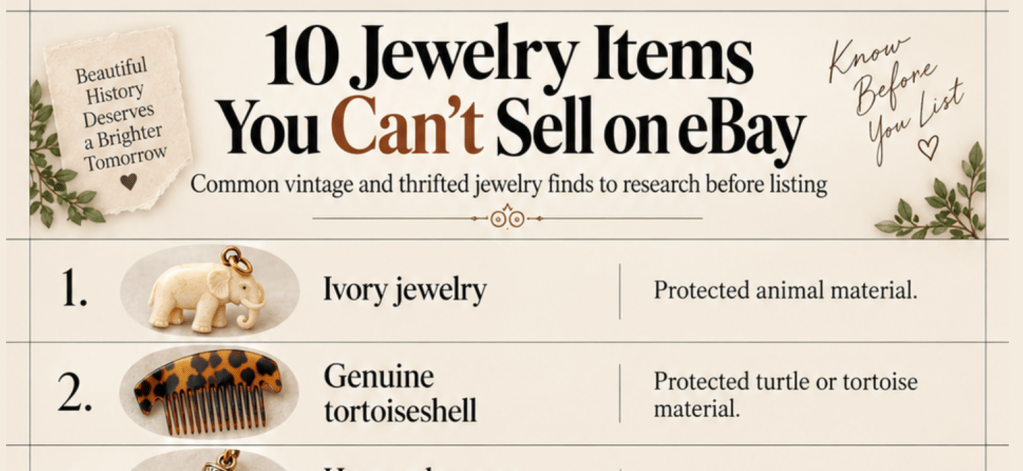
FREE Educational Guide: Jewelry You Can't Sell On Ebay
I created a download that you can keep on your phone or print and take with you when sourcing.
First: prohibited vs. restricted jewelry
Not everything on this list is prohibited for the same reason.
eBay has separate policies covering wildlife products, human remains, counterfeit goods, unsafe products, offensive materials and the way jewelry itself must be described.
For animal products in particular, eBay says sellers must identify the animal species. Products from endangered or threatened species, CITES Appendix I species, bears, marine mammals, protected turtles and tortoises, and migratory birds and their feathers are among the items eBay does not allow.
That means simply describing something as “bone,” “shell,” “feather” or “coral” may not tell you enough.
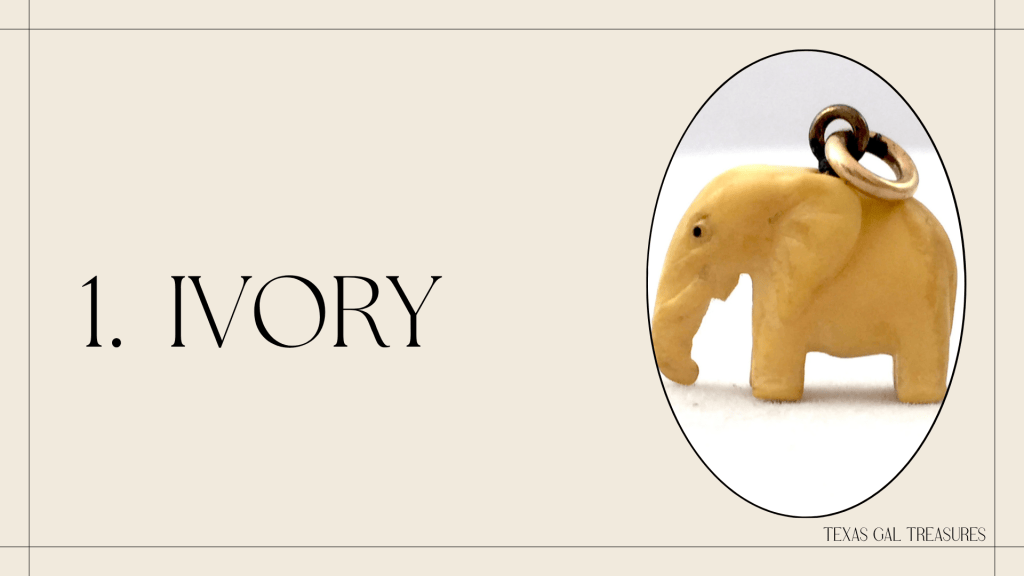
1. Ivory Jewelry
Vintage ivory can turn up as bangles, beads, brooches, pendants, earrings and carved jewelry.
The problem is that eBay specifically prohibits ivory, bone and other products from animals including elephants, hippopotamuses, walruses, narwhals, orcas, sperm whales and dugongs.
And this is where vintage sellers can get caught out: an item being old or antique does not automatically make it acceptable to sell on eBay.
A creamy carved bracelet could also be cow bone, resin, plastic or another material, so identification matters before you make an ivory claim.
Reseller takeaway
If you aren’t certain what that carved white piece is made from, identify the material before listing it rather than guessing.
Related TGT guide: How to Tell Ivory From Bone
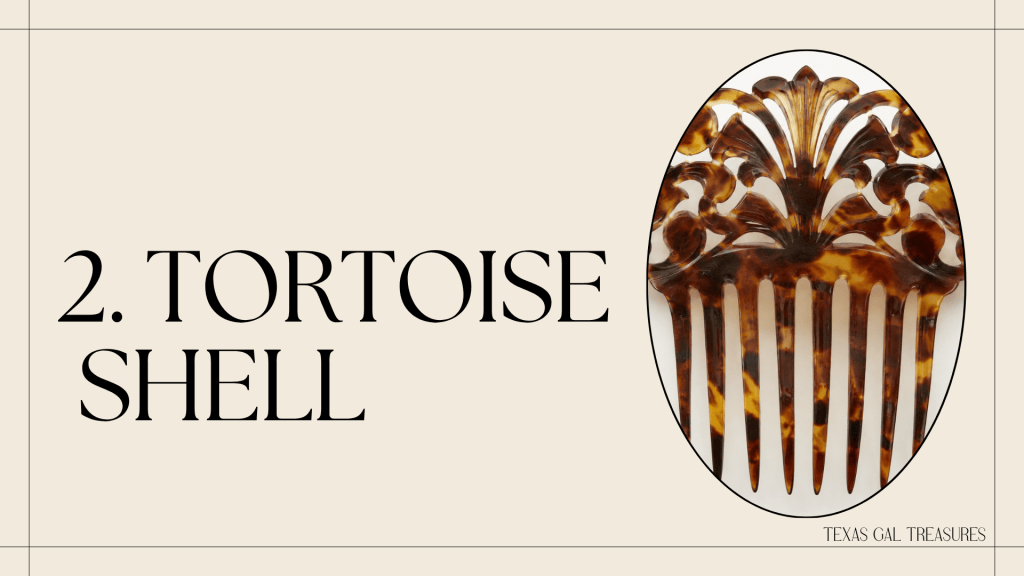
2. Genuine Tortoiseshell Jewelry
Genuine tortoiseshell was historically used for jewelry, hair combs, barrettes, bangles and decorative accessories.
It can also look remarkably similar to older plastics and celluloid.
eBay does not allow products made from protected turtles or tortoises.
So there is an important difference between:
genuine tortoiseshell
and
tortoiseshell-pattern plastic.
A tortoiseshell-pattern celluloid bangle isn’t automatically prohibited just because it has that familiar mottled brown-and-amber appearance.
Reseller takeaway
Don’t identify a piece as genuine tortoiseshell based on color alone.
3. Human Bone or Human Teeth Jewelry
This sounds unusual until you start looking at Victorian jewelry, antique curiosities and the modern oddities market.
Human teeth have been incorporated into rings, pendants and other jewelry, and human bone also appears in some objects.
eBay’s rule is straightforward: human body parts and items containing human body parts aren’t allowed.
There is, however, a fascinating exception we’ll come back to later:
some human hair is allowed.
That means an antique hair mourning brooch and a piece containing an actual human tooth are treated very differently.
4. Counterfeit Designer Jewelry
Finding a Chanel, Tiffany, Cartier or other luxury-looking piece for a few dollars can feel like a huge score.
But the brand name only adds value if the piece is authentic.
eBay does not allow counterfeit goods or unauthorized replicas. Its policy also says sellers should only list an item when they’re certain it’s genuine. Calling something a “dupe,” “replica” or “inspired by” doesn’t make a counterfeit branded piece acceptable.
Reseller takeaway
If the designer name is the reason you’re charging designer money, authentication becomes part of your research.
5. Recalled or Unsafe Jewelry
This one is much less obvious because the jewelry may look completely normal.
Older children’s jewelry, for example, has sometimes been recalled because of excessive lead, cadmium, choking hazards or other safety concerns.
eBay prohibits items recalled by manufacturers or government agencies as well as products identified by authorities as health or safety hazards.
Before listing questionable children’s jewelry
Check the manufacturer’s information and official recall databases such as the U.S. Consumer Product Safety Commission.
A thrift store putting something on the shelf does not mean the item is safe or legal to resell.
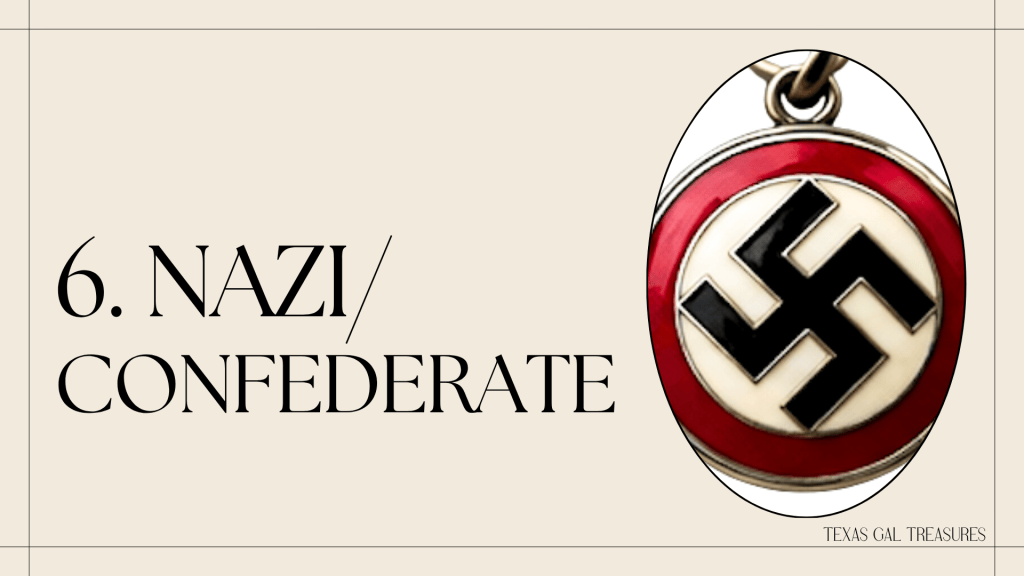
6. Nazi and Confederate Battle Flag Jewelry
Historical jewelry can also fall under eBay’s offensive-materials rules.
eBay prohibits Confederate battle flag items and related items displaying the image, historical Nazi and Holocaust-related items including reproductions, and post-1933 items bearing a swastika.
There are some narrow exceptions for categories such as certain stamps, currency, historical media and pre-1933 religious or historical swastika items unrelated to Nazism.
That does not mean a Nazi-era pin, pendant or Confederate battle flag brooch automatically qualifies for an exception.
Reseller takeaway
Don’t assume “historical collectible” means “allowed on eBay.”
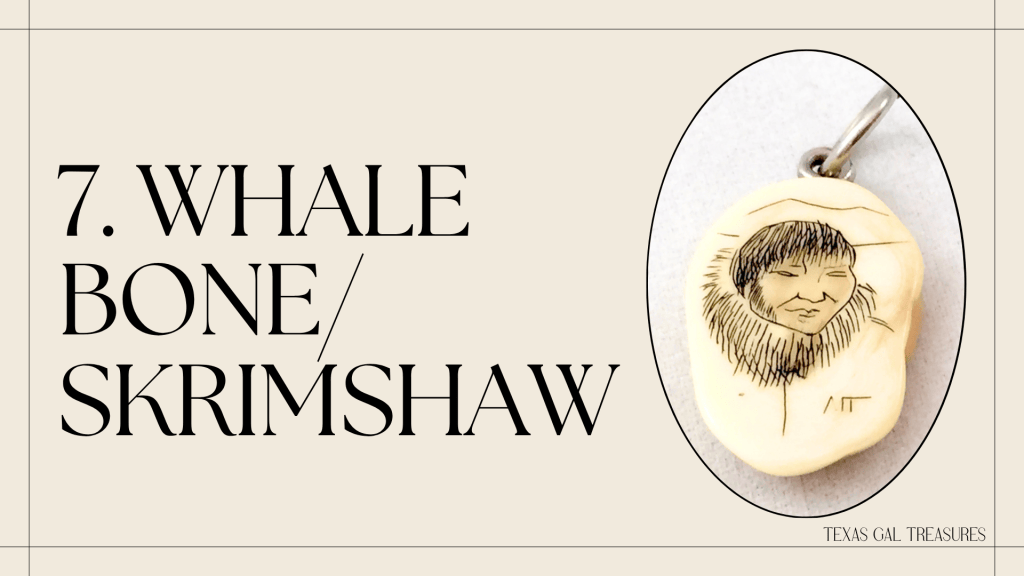
7. Whale Bone or Whale Tooth Scrimshaw Jewelry
Scrimshaw is one of those words that can immediately make a vintage reseller think:
Collectible. Old. Possibly valuable.
But “scrimshaw” describes the engraving or carving technique. It does not tell you what the object is made from.
A scrimshaw-style pendant might be made from a permitted material.
But genuine whale tooth or whale bone is another matter.
eBay prohibits products made from marine mammals and specifically includes certain whale-related ivory and bone products within its animal-products restrictions.
Reseller takeaway
When researching scrimshaw, ask two separate questions:
What is the carving?
and
What material was it carved on?
The second question may determine whether you can list it.
8. Bear Claw or Bear Tooth Jewelry
Vintage bear-claw and bear-tooth jewelry does exist and may turn up in estates, antique collections and older souvenir jewelry.
A beginning seller might understandably see an unusual claw pendant and think it would make a great collectible listing.
But eBay specifically lists bears among the animal products that are not allowed.
If you identify a piece as an actual bear claw or bear tooth, don’t list it on eBay.
9. Protected Bird Feather Jewelry
Not every feather used in jewelry is treated the same.
Domestic and legally sourced feathers are different from feathers belonging to protected wildlife.
eBay prohibits products made from migratory birds and their feathers, and sellers are responsible for identifying animal species when listing animal products.
This matters with older feather earrings, pendants, hat ornaments and mixed-media jewelry.
Reseller takeaway
If you’re selling real feathers, “bird feather” may not be enough identification.
Find out which bird you’re dealing with.
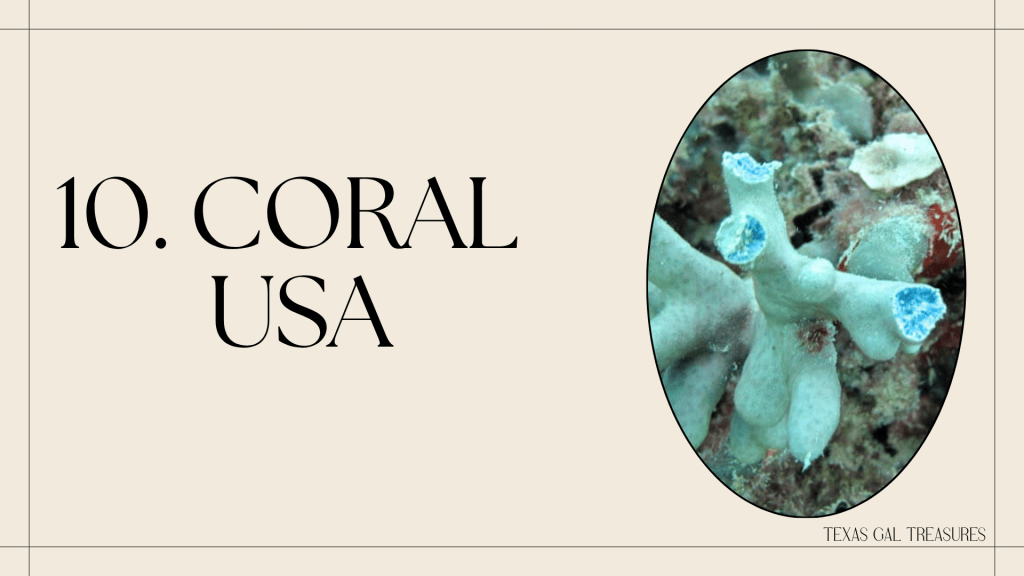
10. Jewelry Made From Protected or Endangered Coral
This one needs an important clarification:
Coral itself is not automatically prohibited.
Some coral species can be legally sold while others are protected or regulated.
eBay prohibits products from endangered or threatened species and CITES Appendix I species. CITES Appendix II animal products also become restricted on eBay when the listing offers international shipping.
So I would never teach the rule as:
“You can’t sell coral on eBay.”
The useful rule is:
Know what species of coral you actually have.
10 Jewelry Types You CAN Sell — But Need to Research Carefully
The next group is different.
These pieces aren’t automatically prohibited.
The problem usually comes from misidentification, unsupported claims, inaccurate terminology or special legal requirements.
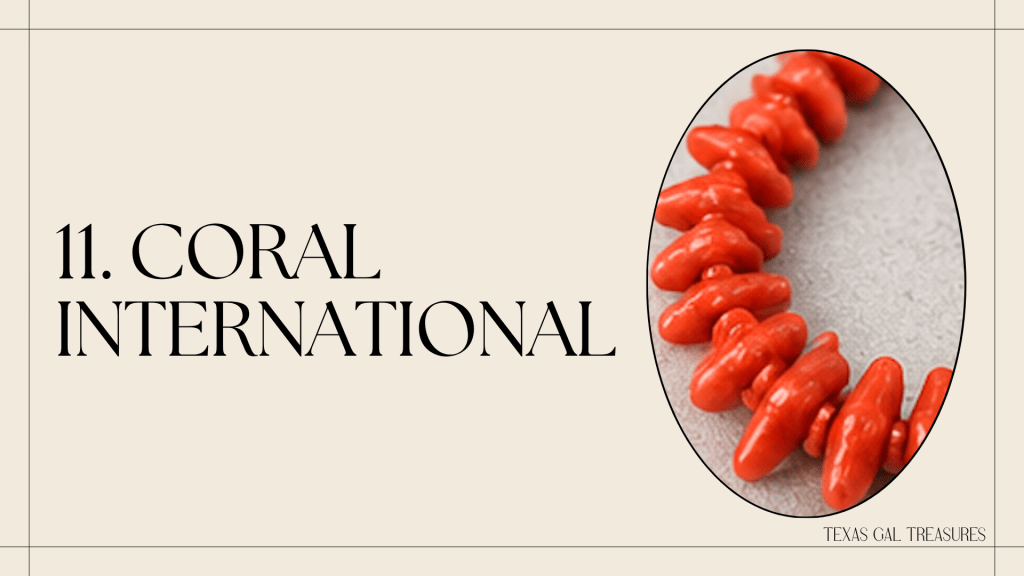
11. Coral Jewelry
Vintage coral necklaces, branch coral, carved roses and coral cameos are all things jewelry resellers may encounter.
Some may be perfectly sellable.
Others may involve protected wildlife regulations.
Because eBay requires animal-product sellers to identify the species, don’t assume that identifying something simply as “coral” answers every question.
This is one of those times when more research is worth the effort.
12. Bone, Horn and Antler Jewelry
“Bone” does not automatically mean prohibited.
Cow bone, deer antler and some other legally sourced animal materials can potentially be sold.
But species matters enormously.
Cow bone isn’t whale bone.
Deer antler isn’t bear claw.
And an unidentified carved white pendant shouldn’t suddenly become “elephant ivory” or “buffalo bone” because those keywords seem more valuable.
eBay requires sellers listing animal products to name the animal species.
If you don’t know the species, keep researching.
13. Shell Jewelry — Especially Niʻihau Shell
Most ordinary shell jewelry won’t automatically create a problem.
But species and origin can still matter, and one especially interesting example for jewelry sellers is Niʻihau shell jewelry.
eBay says jewelry described using “Niihau,” “Ni’ihau” or similar wording must follow Hawaii’s regulations. To use the name for a genuine Niʻihau-shell piece, eBay states that it must be made in Hawaii with 100% genuine Niʻihau shells. A piece described as containing Niʻihau shell must be made in Hawaii, consist of at least 80% Niʻihau shell, and state the actual percentage.
That makes “Niʻihau shell” much more than a decorative keyword.
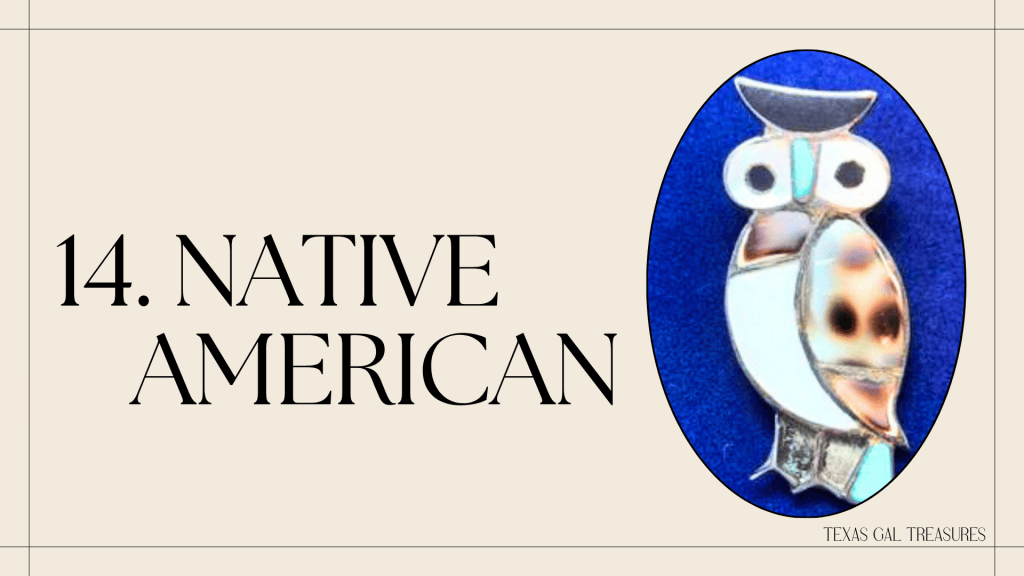
14. Native American Jewelry
A turquoise-and-silver cuff may look Southwestern.
That does not automatically make it Navajo, Zuni, Hopi or Native American.
Under eBay’s policy implementing the Indian Arts and Crafts Act, an item represented as Alaska Native, American Indian or Native American must have been made by an enrolled member of a state- or federally recognized tribe or by someone certified as an Indian artisan by a recognized tribe. Non-Native pieces in the style must be listed accordingly.
This is an excellent example of why style is not provenance.
Better seller thinking
Instead of asking:
“Does this look Native American?”
ask:
“What evidence do I have identifying the maker?”
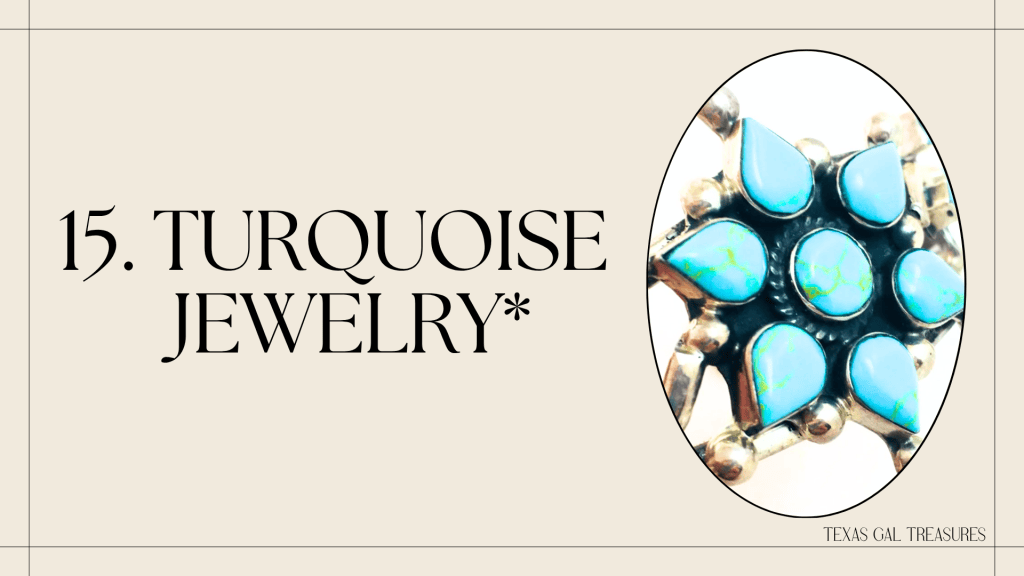
15. Turquoise Jewelry
Turquoise-looking stones can be:
natural turquoise, stabilized turquoise, synthetic turquoise, dyed howlite, magnesite or another imitation.
Those aren’t interchangeable terms.
eBay’s jewelry policy requires gemstones to be accurately described by creation method and treatment where applicable, and it specifically categorizes stabilized and synthetic turquoise differently from natural fine gemstones.
So don’t upgrade a mystery blue stone into “natural turquoise” because it makes the listing sound better.
16. Amber Jewelry
The same problem happens with amber.
A translucent yellow or orange necklace may be genuine amber.
It could also be copal, plastic, resin or another material.
eBay’s jewelry policy distinguishes different gemstone and fashion-jewelry materials and requires accurate gemstone descriptions.
If I can’t support the identification, I would rather keep researching than turn “amber-colored” into “genuine Baltic amber.”
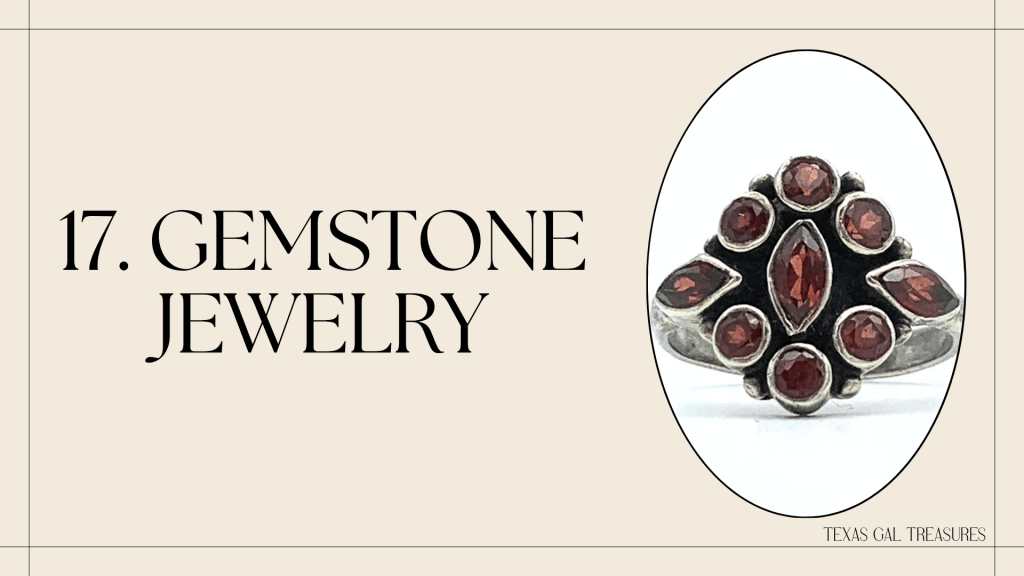
17. Gemstone Jewelry
This rule applies across the jewelry category.
Natural, treated, lab-created and simulated gemstones are not the same thing.
eBay requires sellers to disclose gemstone creation methods and treatments. For example, a lab-created stone must be identified using the required “lab-created” terminology immediately before the gemstone name.
This affects everything from ruby and sapphire to emerald and diamond.
If you don’t know, don’t invent certainty.
18. Diamond-Looking Jewelry
A clear sparkling stone isn’t automatically a diamond.
It could be:
diamond, lab-created diamond, moissanite, cubic zirconia, glass or another simulant.
Those distinctions matter both to buyers and to eBay.
A cheap diamond tester can be helpful during research, but it shouldn’t become permission to make a claim you haven’t actually established.
When significant money is involved, professional identification may be worth the cost.
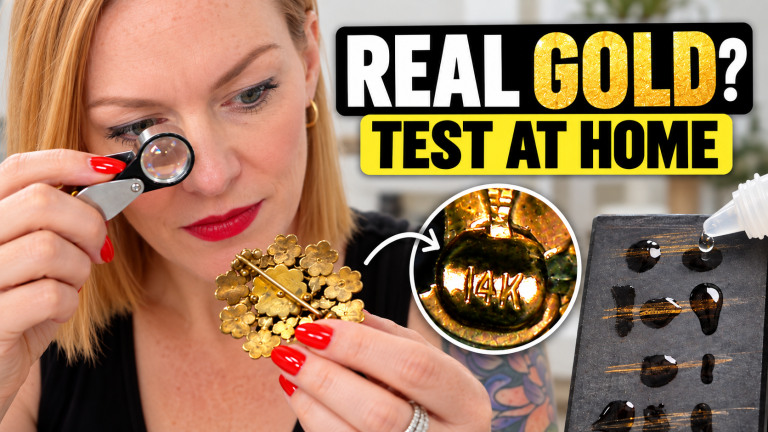
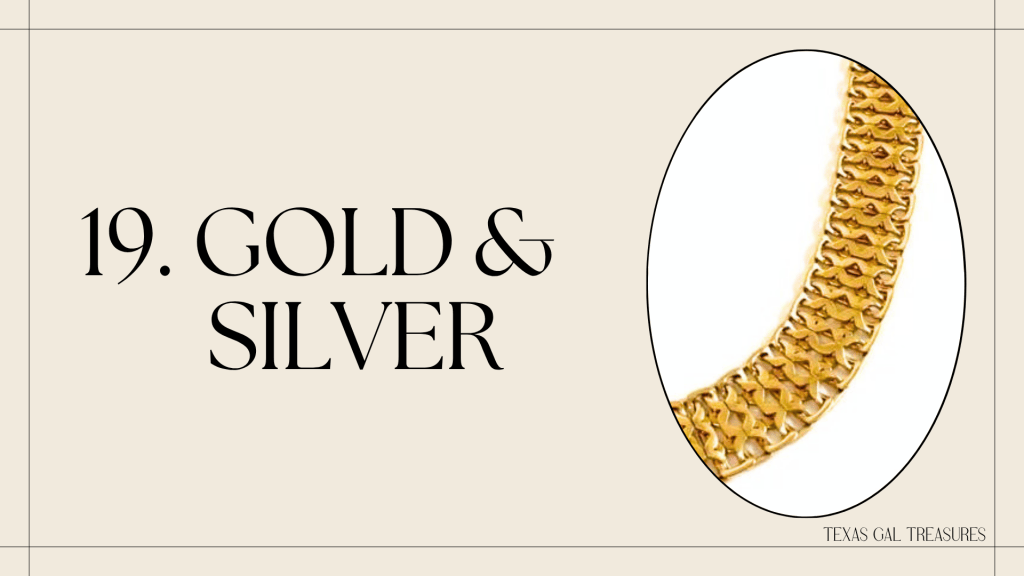
19. Gold, Silver and Platinum Jewelry
Metal terminology matters too.
Gold plated is not solid gold.
Gold filled is not solid gold.
Silver plated is not sterling silver.
eBay requires plated, flashed or filled metals to be clearly identified in the title, item specifics and description. Precious-metal pieces must also meet applicable stamping requirements.
A hallmark is evidence to research.
It isn’t a reason to stop researching.
20. Victorian Mourning and Human Hair Jewelry
And finally, one of the most interesting exceptions on this entire list:
human hair jewelry can be sold on eBay.
eBay’s human-body-parts policy specifically allows items containing human scalp hair, which means Victorian hair lockets, woven-hair brooches and similar mourning jewelry are not automatically prohibited.
But remember item #3.
If that strange antique jewelry contains human bone or a human tooth, that’s a different situation.
Same era.
Similar collectible market.
Very different eBay rule.
The Lesson
There is a pattern running through almost every example in this article.
Identification comes before valuation.
It doesn’t matter that you’ve found a potentially expensive vintage piece if you don’t actually know what it is.
Before listing unusual jewelry, I ask:
What is it? → What is it made from? → Who made it? → Can I support that identification? → Is it legal and allowed on the platform? → Then, what is it worth?
That order matters.
It also protects you from one of the easiest mistakes to make as a reseller:
Turning your best guess into a listing fact.
Before You List an Unusual Jewelry Find
When something gives you pause, don’t rush the listing.
Check the material and maker’s marks. Research the species when animal material may be involved. Check eBay’s current prohibited and restricted items policies. Verify designer authenticity. Look for product recalls when appropriate. Verify gemstone and precious-metal claims, and be especially careful about words such as ivory, Native American, natural turquoise, diamond, sterling silver, gold and Niʻihau.
Then research value.
For the pricing side of that process, read my guide to How to Find Sold Listings on eBay.
And if you’re trying to determine what an unidentified piece of jewelry actually is, visit my Jewelry Identification Guides.
Final Thoughts
You don’t need to be afraid of unusual vintage jewelry.
You just need to slow down when something requires more identification.
Some of my favorite finds are exactly the pieces that make me stop and ask:
“What in the world is this?”
That’s part of the fun of reselling.
But identifying an item correctly isn’t just about getting the best price. Sometimes it tells you whether you should be selling the item at all.
And when I genuinely don’t know?
I research first and list second.
Before You List an Unusual Jewelry Find
This article is for educational purposes and reflects eBay policies reviewed in September 2026. Platform policies and federal, state and international wildlife laws can change. Sellers are responsible for checking current eBay rules and applicable laws before listing or shipping an item.